Oxide
Alumina, zirconia, and silica — the workhorse materials of ceramic AM
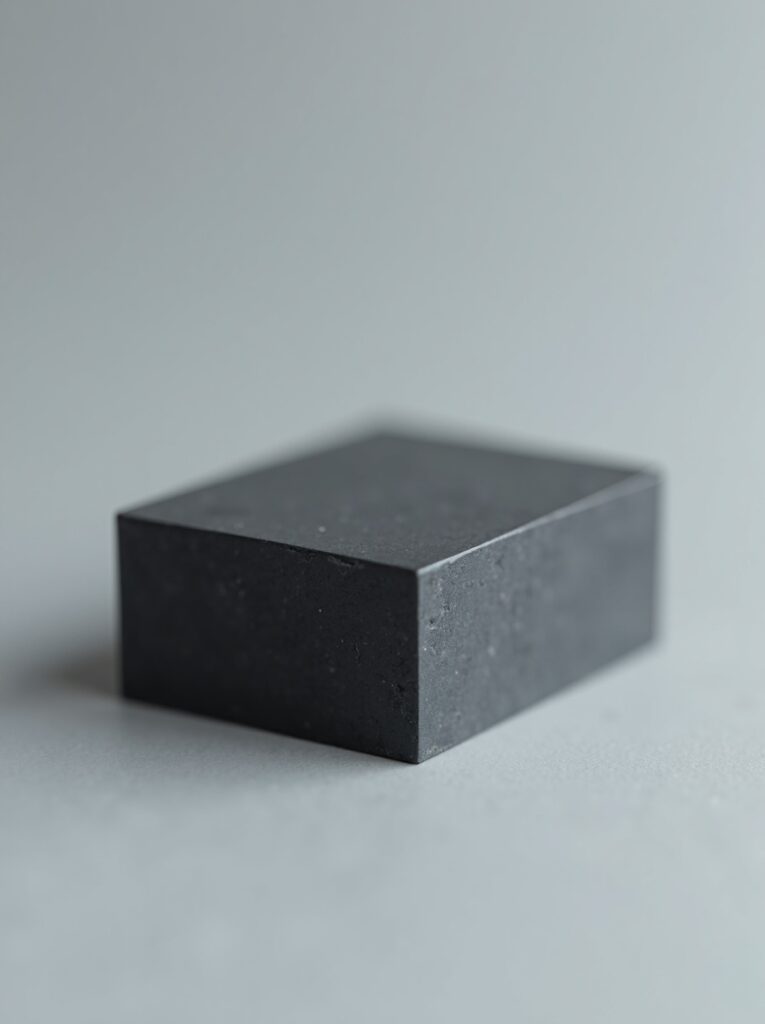
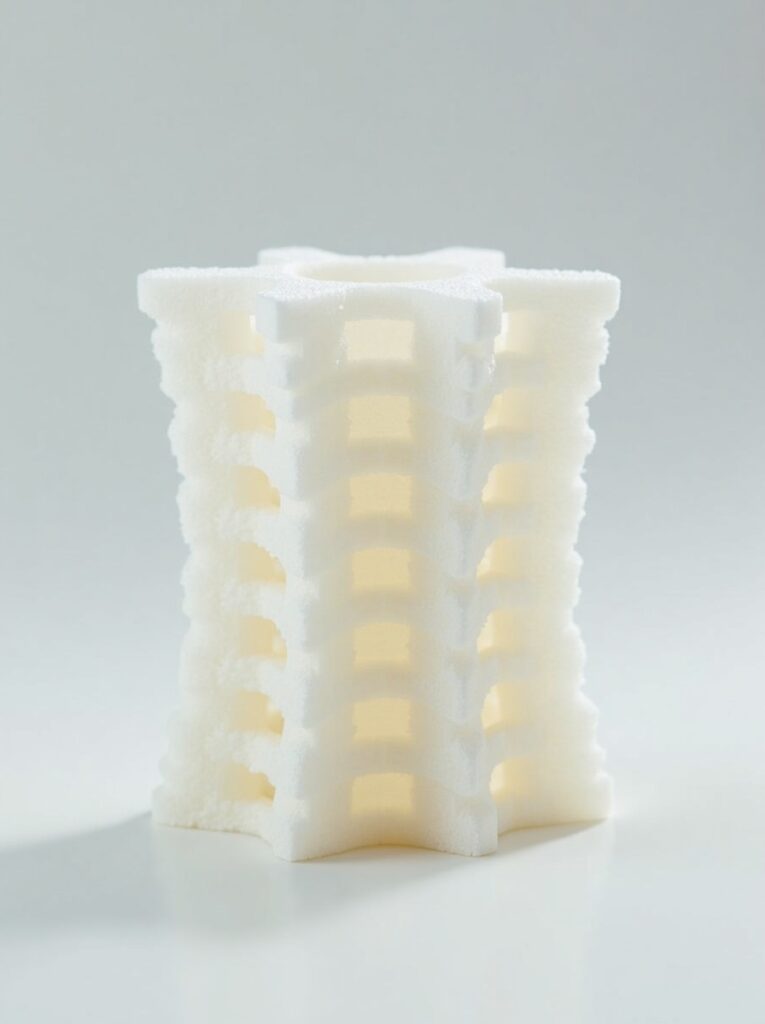
Oxide ceramics dominate ceramic additive manufacturing for good reason: high sintered density (>99.4%), well-characterized photopolymerizable slurries, and extensive published process data. Our oxide library spans alumina (Al₂O₃), zirconia (3Y-TZP), and silica (SiO₂), each qualified with documented cure depth curves, anisotropic shrinkage maps, and sinter profiles for both DLP and SLA platforms.
Non-Oxide
SiC, Si₃N₄, AlN, ZrB₂ — for extreme environments beyond the reach of oxides
Non-oxide ceramics operate where oxides cannot: temperatures exceeding 1400 °C, corrosive chemical environments, high thermal shock, and electrically demanding applications. Silicon carbide (SiC) microreactors and silicon nitride (Si₃N₄) structural components are qualified on our DIW platform. Aluminum nitride (AlN) and zirconium diboride (ZrB₂) are under development through our Materials Services program.
Bio
Hydroxyapatite and β-TCP — designed for the human body
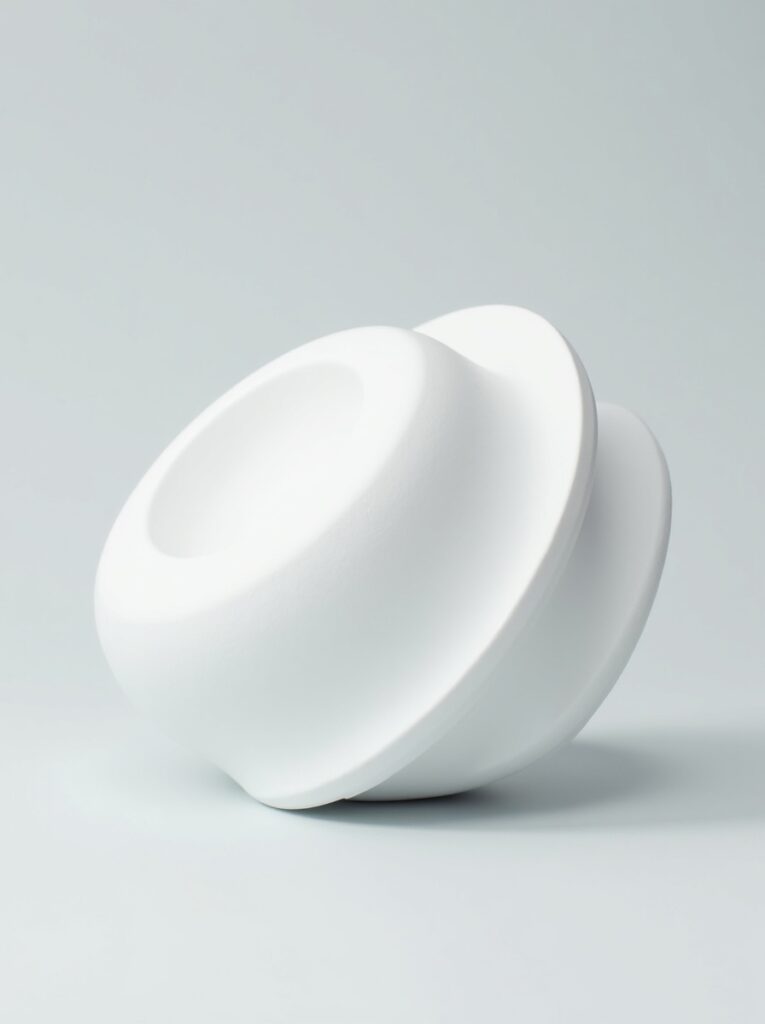
Bioactive and resorbable ceramic materials for bone scaffolds, dental implants, and regenerative medicine research. Hydroxyapatite (HA) and β-tricalcium phosphate (β-TCP) are qualified as high-loading DIW pastes with controlled porosity (30–80%) via gyroid, rectilinear, and honeycomb infill patterns. Both materials maintain osteoconductivity through the printing and sintering process — validated in vivo across multiple collaborating institutions.
—
Netx step